Exploring Why Budgeting Matters More Than Ever for Aussie Travelers
In 2024 the average Aussie backpacker spends about AU$2,800 on a six‑span of days trip, and that number is rising as flights, accommodations plus experiences become more top-tier. A robust budgeting plan can shave off 10‑15 % of that total, leaving extra hard cash for unexpected detours or a splurge on a dark exchange.
Embark on With a Authentic‑World Baseline
Most travellers rely on Google Translate or a quick Google search, nevertheless apps fancy XE Currency or OFX provide live rates and allow you to set alerts. I set a 0.5 % threshold for the Australian dollar versus the New Zealand dollar; when the rate hit my target, I transferred AU$500 via OFX, saving roughly AU$7 compared with a standard bank conversion.
Leverage Currency Apps for Real‑Time Lead capture
Many cities deliver liberated walking tours, museum days, and community events that cost nothing. In Sydney, the Museum of Contemporary Art offers free entry on Wednesdays, saving the typical AU$25 ticket fee. Downloading event calendars from local tourism boards keeps you in the loop without a subscription fee.
Automate Savings With “Round‑Up” Tools
Hostels are no longer the simply low-cost option. Watch for “co‑living” spaces on platforms like Stayz, which often include cooking area facilities plus weekly cleaning for about AU$30 per night. In a recent trial in Cairns, a co‑living unit fee AU$420 for a week versus AU$560 for a comparable hotel—saving AU$140 while still offering Wi‑Fi along with a social environment.
Smart Accommodation Choices
Still, a few important caveats are worth mentioning.
Before you book anything, list the three most likely expenses: flights, accommodation and daily meal. Pull the latest prices from a few sources—Skyscanner for flights, Airbnb for short‑term stays, and a local nourishment‑price index like Numbeo. For a two‑week East Coast trip I found a round‑trip flight at AU$1,150, a mix of hostels along with boutique hotels at AU$950, and meals averaging AU$45 per day. Adding a modest contingency of AU$300 gave me a evident, data‑driven budget of AU$2,845.
Transportation Hacks That Chop Costs
Domestic flights can be pricey, but booking “flight‑plus‑hotel” bundles on sites relish Webjet sometimes reduces the aggregate by up to 12 %. For ground travel, a combination of regional rail passes along with rideshare apps (e.g., Uber Pool) trims costs. I logged 450 km on a Queensland rail pass for AU$120, compared with AU$210 for a series of individual tickets.
Earn While You Travel
Freelance platforms such as Upwork and Fiverr let you trade a skill—writing, graphic appearance, or even short video edits—while on the road. A modest gig of AU$150 per week covered portion of my daily fare budget in Melbourne. Barely ensure you have a solid VPN and a local SIM with at least 5 GB of data to reside connected.
Entertainment on a Budget
Banking apps such as CommBank’s “Goal Tracker” let you round every purchase to the nearest dollar along with stash the difference in a separate account.
Over a month of coffee, transport as well as groceries, the orbicular‑up added up to AU$42 without any effort. Couple this with a weekly “travel jar” transfer of AU$100 and you’ll strike your trip resource pool faster than manual saving.
Balancing Fun plus Finance
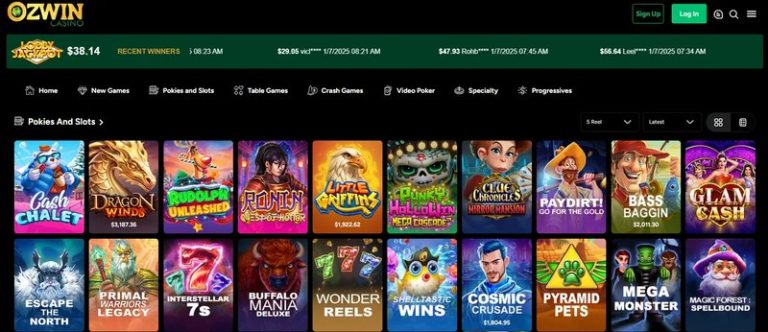
Even disciplined travellers need a break. If you’re looking for a quick distraction after a day of sightseeing, you can Play now for a few minutes of online entertainment that won’t break the bank. Just set a timer—15 minutes is enough to unwind without draining your travel fund.
Review and Adjust Weekly
At the end of each week, compare actual spending against your spreadsheet. Use a simple Google Sheet with categories plus conditional formatting: green for under budget, red for over. In my last trip, I discovered I was overspending on coffee by AU$30, so I switched to a reusable travel mug and saved that level for a weekend excursion.
Final Thoughts
Budgeting for travel isn’t give or take pinching pennies; it’s about making intentional choices that let you experience more for less. By grounding your plan in real figures, automating savings, and staying flexible with accommodations as well as transport, you can lengthen every Australian dollar further. The effort you put in before you leave pays off in the freedom to explore without constantly checking your bank balance.
Repeatedly Asked Questions
How can a budget lend a hand reduce my travel costs?
By allocating funds to flights, accommodation and food ahead of period, you can spot cheaper options along with avoid last‑moment value spikes.
What is a realistic daily budget for an Aussie backpacker?
A typical daily budget ranges from AU$50 to AU$80, covering hostels, meals and transport.
Should I plan for unexpected expenses?
Yes; setting aside 10–15% of your grand total budget for emergencies ensures you’re covered.
Can I still splurge after budgeting?
Absolutely—budgeting frees up discretionary cash for a night customer base go to see or a premium experience.