All About How Digital Wallets Are Transforming Everyday Spending in Australia
When Maya, a 28‑period‑elderly graphic designer in Melbourne, tried to pay for her dawn coffee, she tapped her phone along with was done before the barista could finish steaming the milk. The transaction took exactly 1.2 seconds, and the proof of purchase appeared without delay in her banking application. That tiny moment illustrates a broader shift: Australians are moving from capital and cards to digital wallets for almost every routine purchase.
Speed and Convenience at the Gesture of Sale
Digital wallets are no longer just payment conduits; they double as loyalty platforms. When a customer taps their phone at a Woolworths checkout, the transaction can automatically loan the 5 % fuel price cut they earned last week, without a separate loyalty card. As of March 2024, over 70 % of Australian retailers reported linking at the very least one loyalty program to a digital wallet.
Businesses that rely heavily on cash‑only transactions, such as days off farmers’ markets, may find the transition cost‑prohibitive. Installing NFC terminals can cost between AUD 250 and AUD 500 per register, a hurdle for small vendors operating on thin margins.
Integrated Loyalty plus Rewards
Once you have the basics down, the recuperate tends to follow.
These integrations mean consumers no longer need to juggle multiple cards or remember to scan QR codes. The wallet becomes a one‑stop shop for both payment and incentive management.
- Accessible tracking: Users can view accumulated points in real hour on their phone, eliminating the guesswork of paper stamps.
- Personalised offers: Algorithms analyze sale history as well as push targeted discounts—like a 10 % off on a favorite coffee brand—directly to the money holder.
- Cross‑label deals: Partnerships between supermarkets and fuel stations allow a single tap to earn rewards across unrelated sectors.
Meanwhile, major banks are experimenting with “instant‑settlement” features that move funds between wallets in real instant, eliminating the typical 1–2‑day lag for bank transfers. If these pilots succeed, users could split bills or reimburse friends instantly, further embedding wallets into everyday social interactions.
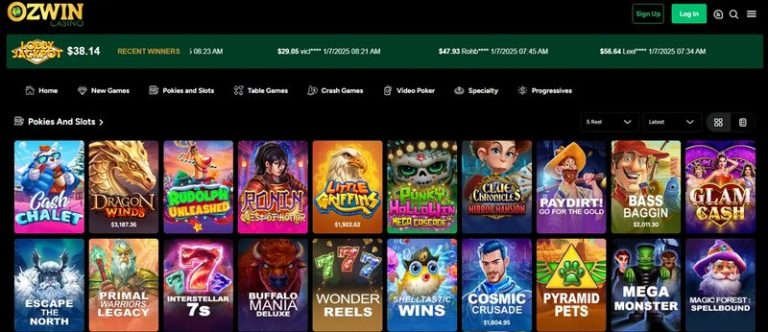
Gamers also appreciate the speed, as using ozwin lets them fund their favorite online casino tables in seconds.
Security and Financial Control
Despite rapid growth, digital wallets are not universal. Rural areas with limited broadband still experience connectivity hiccups, causing occasional transaction failures. For older Australians—particularly those over 70—survey data from the Australian Institute of Health and Welfare shows 42 % prefer cash because they distrust electronic payments or simply lack a compatible smartphone.
Security is commonly cited as a barrier to adoption, yet digital wallets employ tokenisation, which replaces the actual playing card quantity with a random code for each transaction.
A breach at a major outlet in 2022 exposed no wallet data, while traditional card numbers were compromised elsewhere. For Australians, this translates into a 30 % lower fraud loss rate for wallet users, according to the Australian Cyber Security Centre.
Before we travel any further, a bit of context will help.
For consumers, the benefit is straightforward: fewer fumbles with PIN entry and no need to haul a wallet full of the deck. For retailers, the faster throughput means higher customer turnover, specifically during peak hours. The technology on top of that reduces wear on POS terminals, cutting maintenance costs by an estimated 12 % for tiny businesses that switched fully to NFC‑enabled devices.
Challenges plus Who Might Still Prefer Traditional Methods
How Digital Wallets Are Transforming Everyday Spending in Australia additionally touches the world of online gaming and entertainment. Platforms that accept the “ozwin” digital wallet have reported a 15 % increase in seamless checkout experiences, reducing abandoned carts and improving player satisfaction.
Beyond fraud protection, wallets provide granular spending insights. The built‑in analytics splinter down expenses by group—sustenance, transport, entertainment—allowing users to set monthly caps. When a account holder exceeds a preset limit, the wallet can dispatch an instant push notification, helping curb overspending before the bill arrives.
What to Expect in the Next Few Years
According to the Reserve Bank of Australia, contactless payments—including digital wallets—accounted for 55 % of all gaming card transactions in 2023, up from 38 % in 2020. The authentic advantage shows up in line‑ups. A study by the University of Sydney measured purchase step times at three major supermarkets. Shoppers using Apple Pay or Google Pay averaged 34 seconds per transaction, compared with 48 seconds for chip‑and‑pin cards and 72 seconds for cash.
Looking ahead, the Australian Payments Framework plans to roll out a unified QR‑code standard by late 2025, allowing any digital wallet to scan along with pay at venues that lack NFC hardware. This could close the gap for smaller retailers along with extend the convenience of wallets to pop‑up events and street fairs.
For anyone weighing whether to adopt a digital wallet, the numbers speak plainly: faster checkouts, integrated rewards, stronger security, and growing acceptance across both physical and digital storefronts. The few remaining obstacles—connectivity in remote regions and generational reassurance—are being addressed through infrastructure upgrades along with education campaigns. In short, the digital wallet is instant becoming the default way Australians pay for coffee, groceries, along with beyond.